She is twelve. She has never
touched a computer. The AI era started without her.
Across Sub-Saharan Africa, a generation is being handed a future built on technology they've never been allowed to hold. We put it in their hands — with devices, trained teachers, and curriculum in the language they think in.
Same year. Same age.
Two entirely different futures.
This isn't a story about who is smarter. It's a story about who was handed the tools. Both of these children are eleven years old. Both are curious. Only one has been given a chance to build with what's coming.
A classroom in rural Kenya
Eleven years old · Grade 6
- Has never used a working computer
- Learns in a third language she doesn't speak at home
- Shares one outdated textbook with three classmates
- Her teacher has had no training in twelve years
- Will enter a job market being reshaped by tools she's never seen
She is not behind because she is slow. She is behind because no one gave her the room.
The same classroom, one year in
Eleven years old · Grade 6
- Learns on a solar-powered device that works without grid power
- Studies AI concepts in Swahili — the language she thinks in
- Uses offline tools built for schools with no internet
- Her teacher is trained, mentored, and part of a peer network
- Knows what AI is, how it works, and that she could build with it
Nothing about her changed. Everything about her opportunity did.
The gap between these two columns isn't intelligence. It's access — and access is something people built. Which means people can change it.
Close the gap for one classroomShe sat at the back with her arms crossed. Then something turned.
On the first morning of training, Akinyi didn't say a word. She had been teaching for eighteen years. She had watched government initiatives arrive with fanfare and disappear within a year. She had seen organizations leave behind broken equipment and unanswered emails. She was not interested in another one.
Halfway through the morning she asked the only question she had come with, and she asked it plainly: will this replace me?
It is the question more teachers are asking than anyone wants to admit, and it deserves an honest answer. So we gave her one. AI will change teaching. Some of what a teacher does today will be done differently in ten years. But the person at the front of the room — the one who knows which child came to school hungry, who can tell the difference between understanding and pretending, who can make a student feel seen on a hard day — that person is not replaceable. AI is a tool. A powerful one. A tool nonetheless.
She uncrossed her arms. She was not convinced. But she was listening.
“I thought this would be one more thing done to my classroom. It turned out to be the first thing done with it.”
— Akinyi, after her third day of trainingThe shift came on day three. The session was about using digital tools to spot which students are quietly falling behind — the exact problem Akinyi wrestles with every day in a room of fifty-four children. She leaned forward. She started asking questions. Not skeptical ones. Curious ones. By Friday she was troubleshooting for the teachers beside her and proposing uses none of us had thought of.
Nobody asked her to keep going. She simply did. Akinyi now runs digital literacy sessions for teachers at three neighboring schools, in Swahili, on her own initiative, without being paid to do it.
One trained teacher stands in front of roughly 1,200 students across a career. Akinyi didn't just change her own classroom — she changed three more, and every teacher in them. This is the multiplier that makes teacher training the highest-return thing we do.
What changes when someone finally shows up
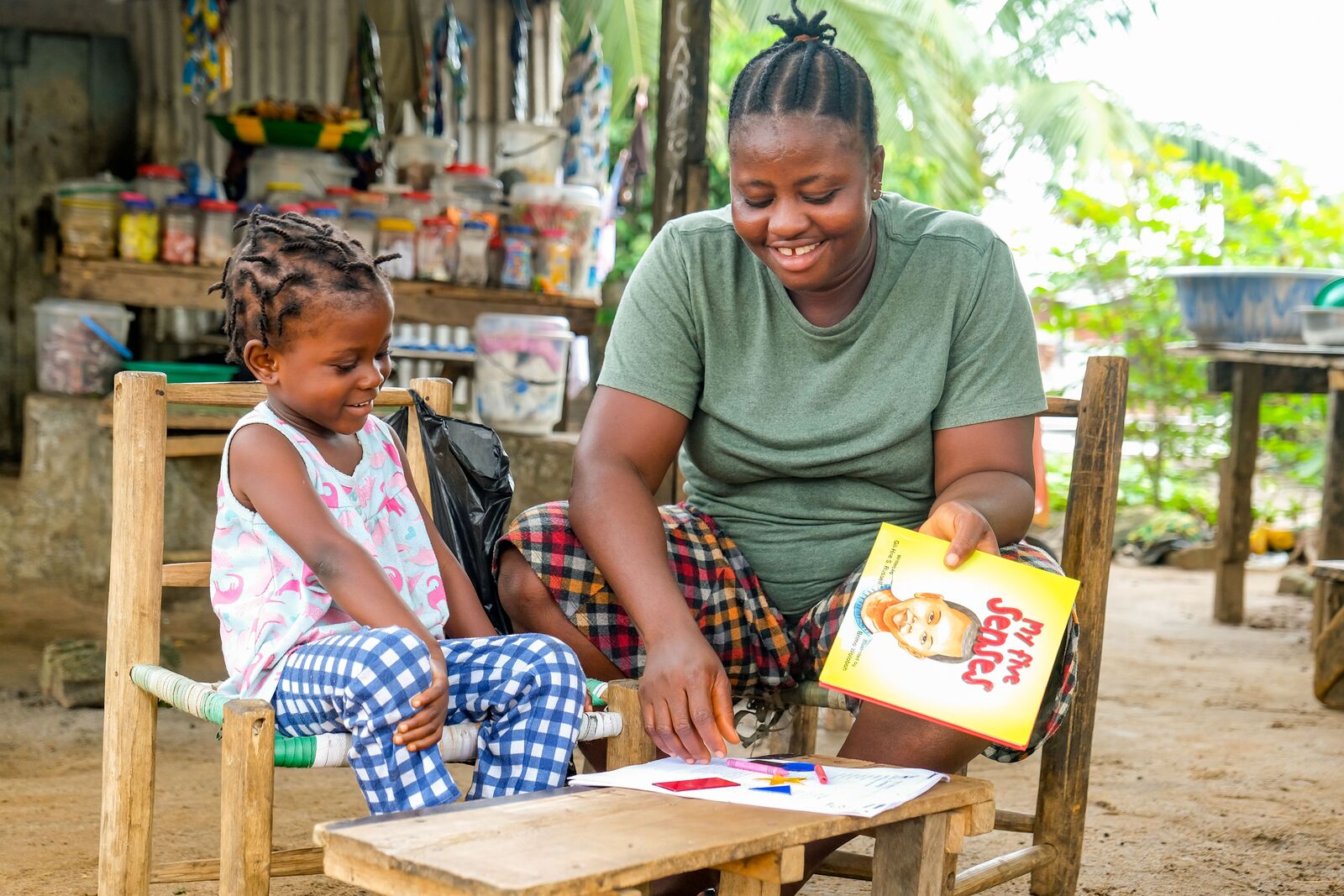 Western Kenya
The teacher who trained three more schools
Akinyi arrived skeptical after eighteen years of programs that came and went. She left running sessions of her own — unpaid, unprompted, in Swahili.
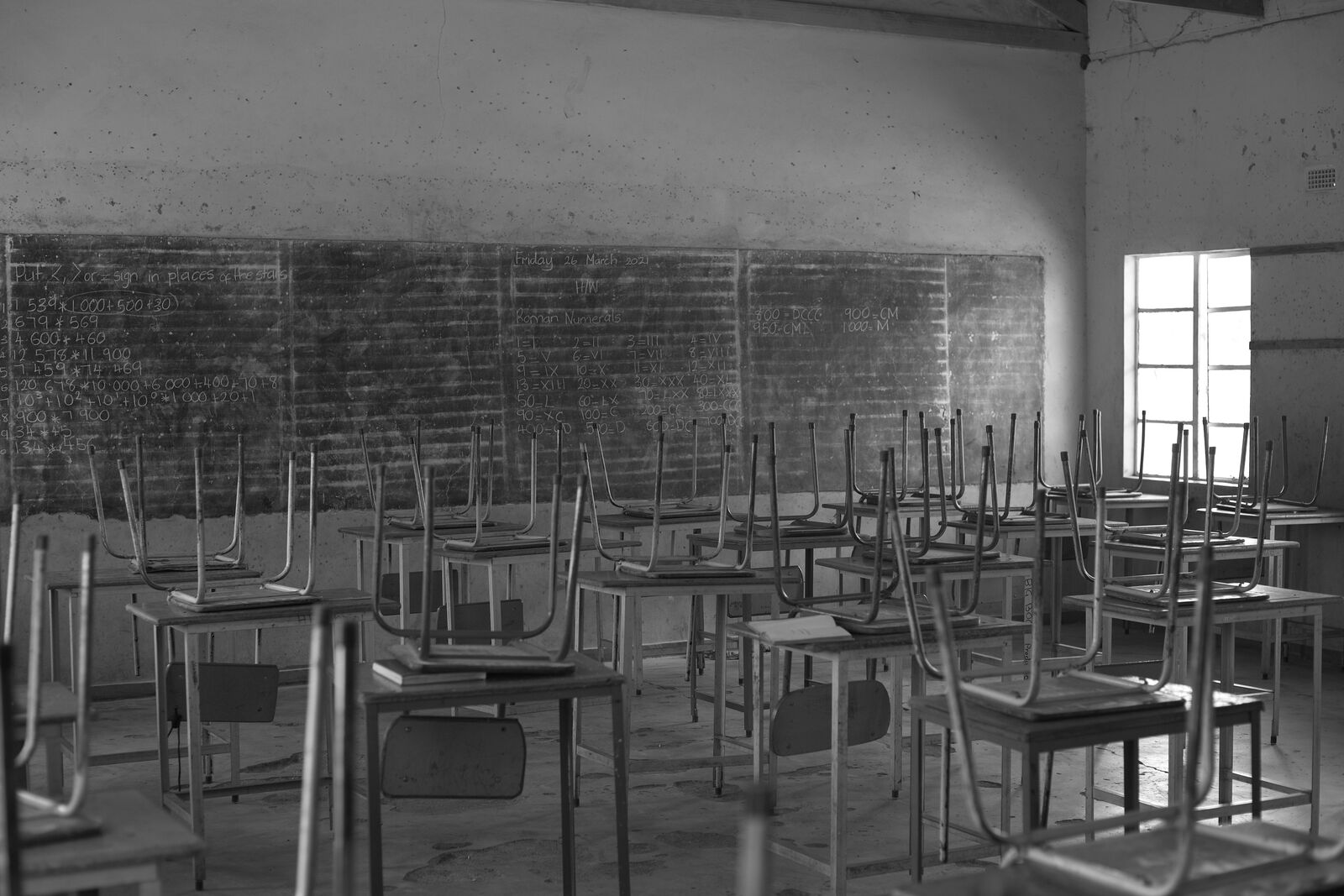 Coastal Kenya
A school that had never had power
No grid connection, no internet, no realistic path to either. Solar-powered devices with offline tools meant the lesson stopped depending on infrastructure that was never coming.
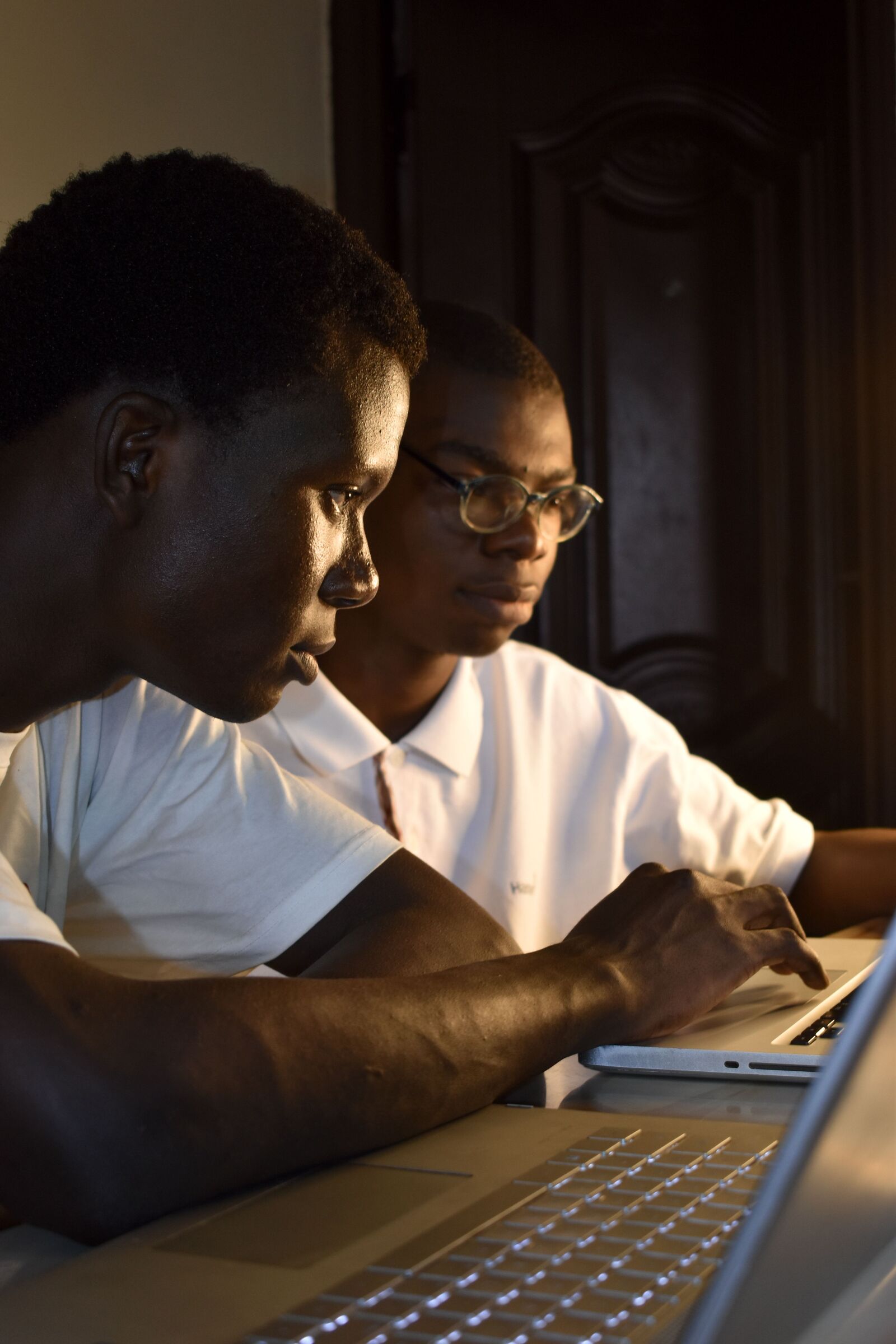 Kisumu
She had the grades. She'd never met an engineer.
Top of her class and set on studying computer science — with no one in her world who had ever done the work. Not a relative, not a teacher, not a neighbor. Ambition without a single person to ask.
Every case here started as somebody's donation
None of this was inevitable. Each one began with a person who decided a child on the other side of the world was worth backing.
Pick the thing you want to actually pay for
Not a suggested amount with a vague promise attached. Each of these is a real line item in a real school budget. Choose the one you want to cover.
Give monthly instead
School terms don't run on one-off gifts. A steady $25 a month lets us commit to a teacher for a year instead of a workshop for a day.
Set up monthly givingChoose your own amount
Give what makes sense for you. Every amount lands in the same place — classrooms, teachers, and the children in front of them.
Enter an amountThe part most people never see
Once a month: which school we walked into, what actually worked, and what didn't. No appeals, no guilt, no fundraising thermometers. Just the work.
One email a month. Unsubscribe in a click. We never share your address.
#GoodEducationForAll